Don’t let incontinence get you down: How to look after your mental health
Incontinence doesn’t just affect your physical health – it also can harm your emotional health. However, it’s important to remember thousands of Australians are managing this problem and you too can go on living a happy, fulfilled life even if you're living with incontinence.

How does mental health affect incontinence?
Maintaining good mental health plays an important role in bladder control. When someone is feeling overwhelmed, stressed or mentally unwell, it can be harder to recognise the need to go to the toilet, stay focused on routines or move quickly enough to reach the bathroom in time. Changes in daily habits — such as reduced motivation to eat well, stay active or drink enough water — can also contribute to increased leakage.
If you’re concerned about your mental health, speaking with your doctor or a trusted healthcare professional can be an important first step. Carers can also support loved ones by encouraging regular movement, balanced meals and small daily habits that promote overall wellbeing.
Lifestyle factors such as high caffeine intake or smoking may make incontinence symptoms more noticeable. Reducing these gradually — for example, cutting back one cup or one cigarette at a time — can help ease bladder sensitivity and support better control.
How do I manage my mental health with incontinence?
Feelings of embarrassment, social rejection and alienation are completely normal for incontinence sufferers but these can be easily overcome once you start taking control of the condition. Here are a few steps to manage your mental health at the same time you treat the physical symptoms:
- If incontinence is bothering you and affecting the way you feel about yourself, talk to someone. Speak to your doctor, your carer or someone in your support network. Remaining silent or avoiding the issue will only worsen your negative emotions. If you’re a carer, help your relative or friend confront his or her feelings and get into a comfort zone with talking about their incontinence.
- Ask your doctor about medication options. If your mental health symptoms are really affecting you, you might need medication to help treat the stress incontinence as well as depression.
- Start exercising to elevate your mood and tackle your incontinence problem at the same time. Exercises, which will help both your mental and physical symptoms, include yoga, Pilates and pelvic floor exercises.
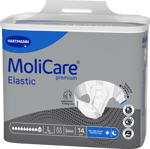
- You can also use incontinence products, which can help eliminate the embarrassment of an incontinence-related accident, boosting your confidence and helping you be more social.
Treating incontinence is a balance between physical remedies and keeping your spirits high. Make sure you spend time with the people you love and don't be embarrassed or withdrawn due to incontinence. Remember, while it can be inconvenient, incontinence can be easily managed and shouldn’t be a barrier to your overall happiness.